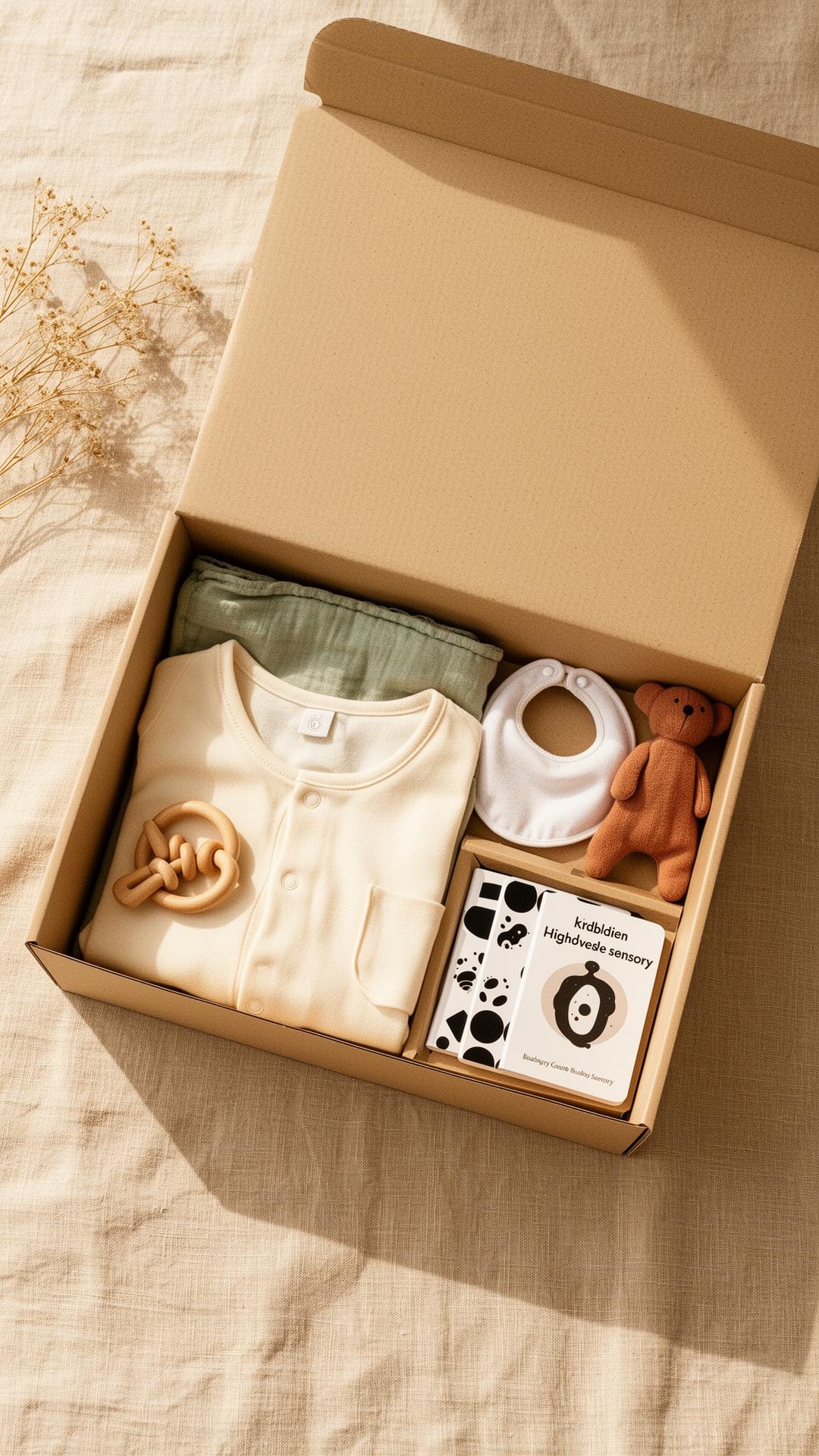
Tummy Time, Teethers and Tactile Play: Supporting Your Newborn's Development at Home
You don't need a cupboard full of toys to support your newborn's development. A few simple items, used well, can go a long way. Here's a calm, practical guide.
By the Jumble Dream team · June 2025
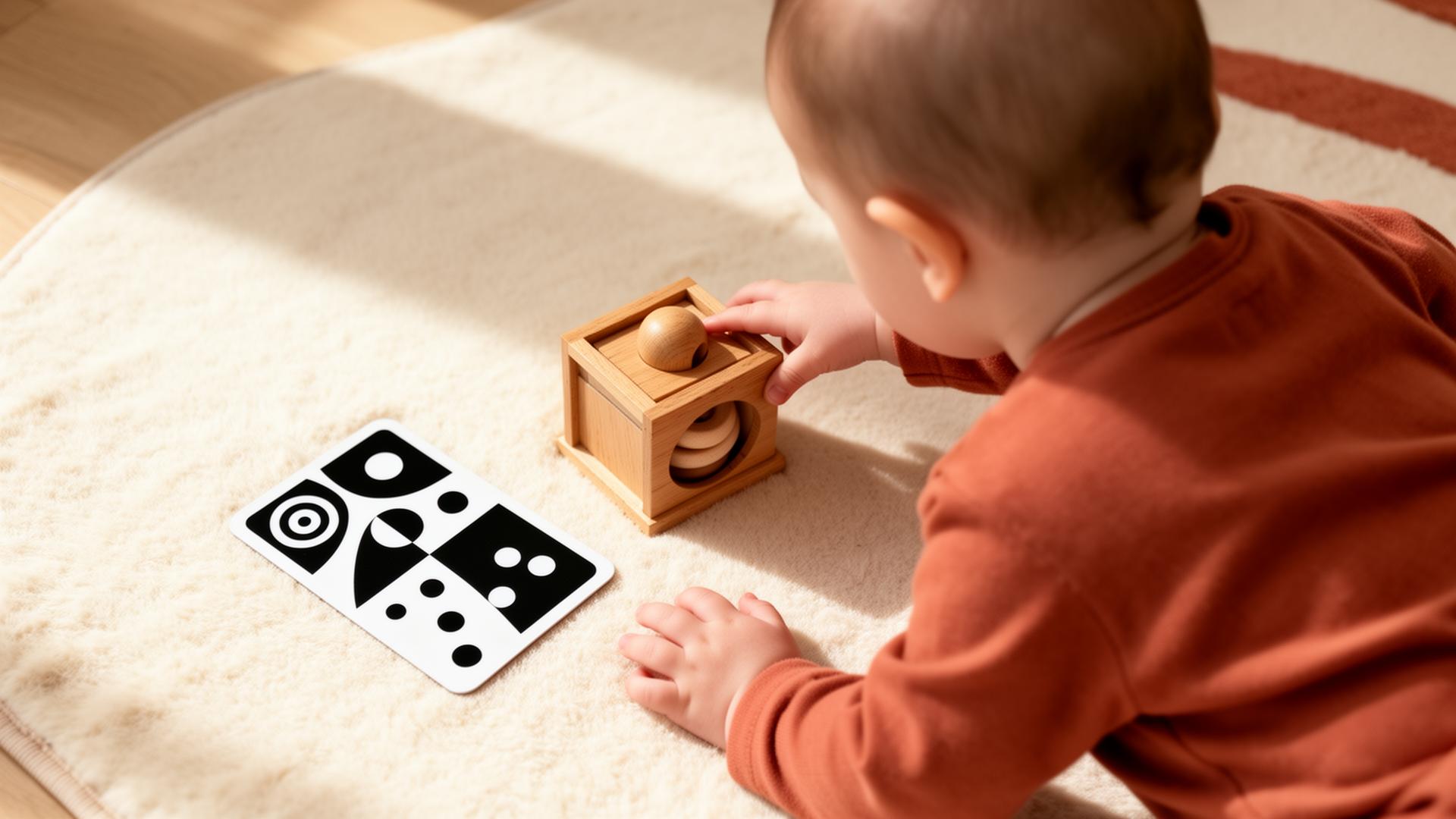
The first months with a newborn are wonderful, exhausting, and full of well-meaning advice. Somewhere in among the sleep schedules and feeding charts, the question of play and development can start to feel like one more thing to worry about. It really shouldn't be.
Babies are designed to learn from the ordinary world around them. Your face, your voice, the rhythm of being carried, the texture of a muslin — these are the things their brains are most hungry for. A few thoughtful items can support that, but the leading role is always yours.
Tummy time, without the dread
Tummy time gets a slightly intimidating reputation. In practice, it's just time spent on the front, building the neck, shoulder and core strength a baby will need for everything from rolling over to crawling. Start with very short bursts — a minute or two after a nappy change — and build up gradually. A soft tummy time mat with a small mirror or high-contrast pattern in front gives them something to look at and makes the experience feel like play, not work.
High-contrast cards in the first weeks
Newborn vision is fuzzy and largely black-and-white for the first weeks. High-contrast cards — bold black, white and red patterns — are easier for them to focus on than pastels. Prop one up at the side of a play mat or hold it about 25cm from their face during a calm moment. You'll often see them lock on with real interest. It's a tiny ritual, and a lovely way to feel connected to what they're actually experiencing.
Teethers and oral exploration
Around three to four months, hands start to find their way into mouths and stay there. Silicone teethers and teething mittens give babies something safe and satisfying to chew on, soothe sore gums, and support the oral exploration that's a normal part of how they make sense of textures and shapes. A clip or strap that keeps the teether attached to clothing saves a lot of bending down.
Tactile play and the joy of texture
Babies learn about the world through their hands as much as their eyes. A textured crinkle toy, a wooden grasping ring, a comforter with different fabrics on different sides — all of these invite exploration. There's no need for a long list; rotating two or three items keeps things fresh without overwhelming.
Books from the start
It's never too early to read to a baby. They're not following the plot — they're listening to your voice, watching your face, and starting to associate books with closeness. A simple sensory book with flaps, mirrors and different textures is a small treasure in the first year.
The most important thing
Above all, the research is clear: responsive, warm interaction is the single most powerful developmental tool any baby has. Talk to them. Sing to them. Describe what you're doing as you do it. Notice when they're engaged and when they need a break. The toys are useful, but you are the curriculum.
Commissioning or scoping a scheme?
See how we work with councils, NHS trusts and Family Hubs as a developmental-first baby box supplier.