Our impact

Why it matters.

A baby box is a small object. The window it lands in — the first 1,001 days of a child's life — is one of the most consequential in any human story.

The first 1,001 days

From conception to a child's second birthday, the brain forms more than a million new neural connections every second.1 The architecture being built in this window shapes physical health, mental wellbeing, language, relationships and life chances.2There is no later period in life when the same investment goes so far.
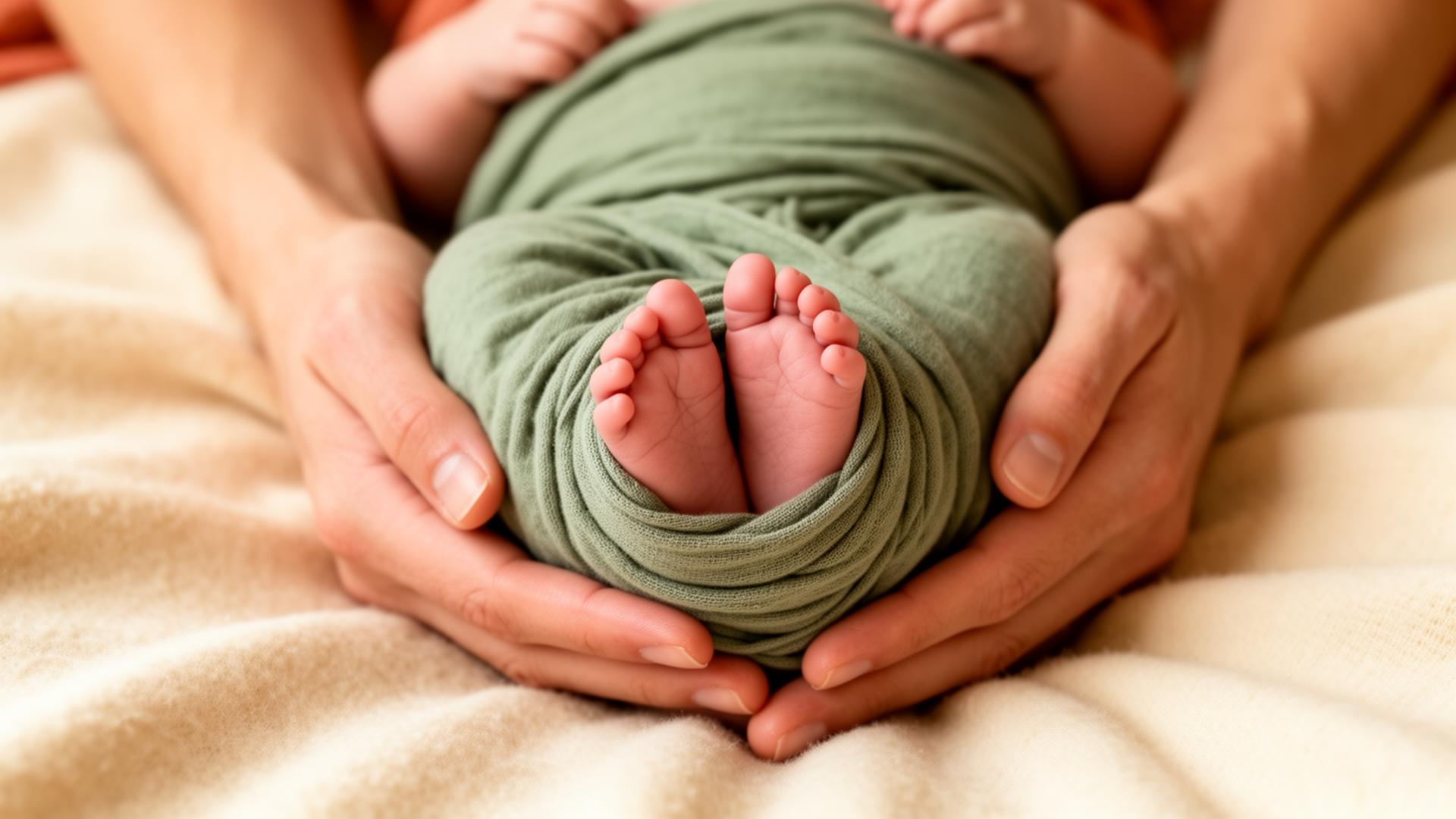
A newborn cradled in a parent's hands, wrapped in a sage muslin

Safe sleep, every night

A safe, breathable sleep environment is one of the most powerful early interventions a society can offer.3 Baby box schemes don't just include the right items — they put safe-sleep practice in front of every family, in their language, at the moment it matters.

What we believe

The earliest years are when the foundations of health, wellbeing and resilience are laid down. The choices we make about how to support families in this window shape a lifetime.

Easing financial pressure

New parenthood is expensive at exactly the moment household income tends to fall. A thoughtfully curated baby box puts hundreds of pounds of essentials into the hands of a family at the moment they need them most — without the stigma of a means-tested handout.

Reducing inequality from day one

The gap between children from the most and least advantaged backgrounds opens early — and widens fast. Universal baby box schemes are one of the few interventions that reach every family equally, signalling that a society values every child's beginning the same way.

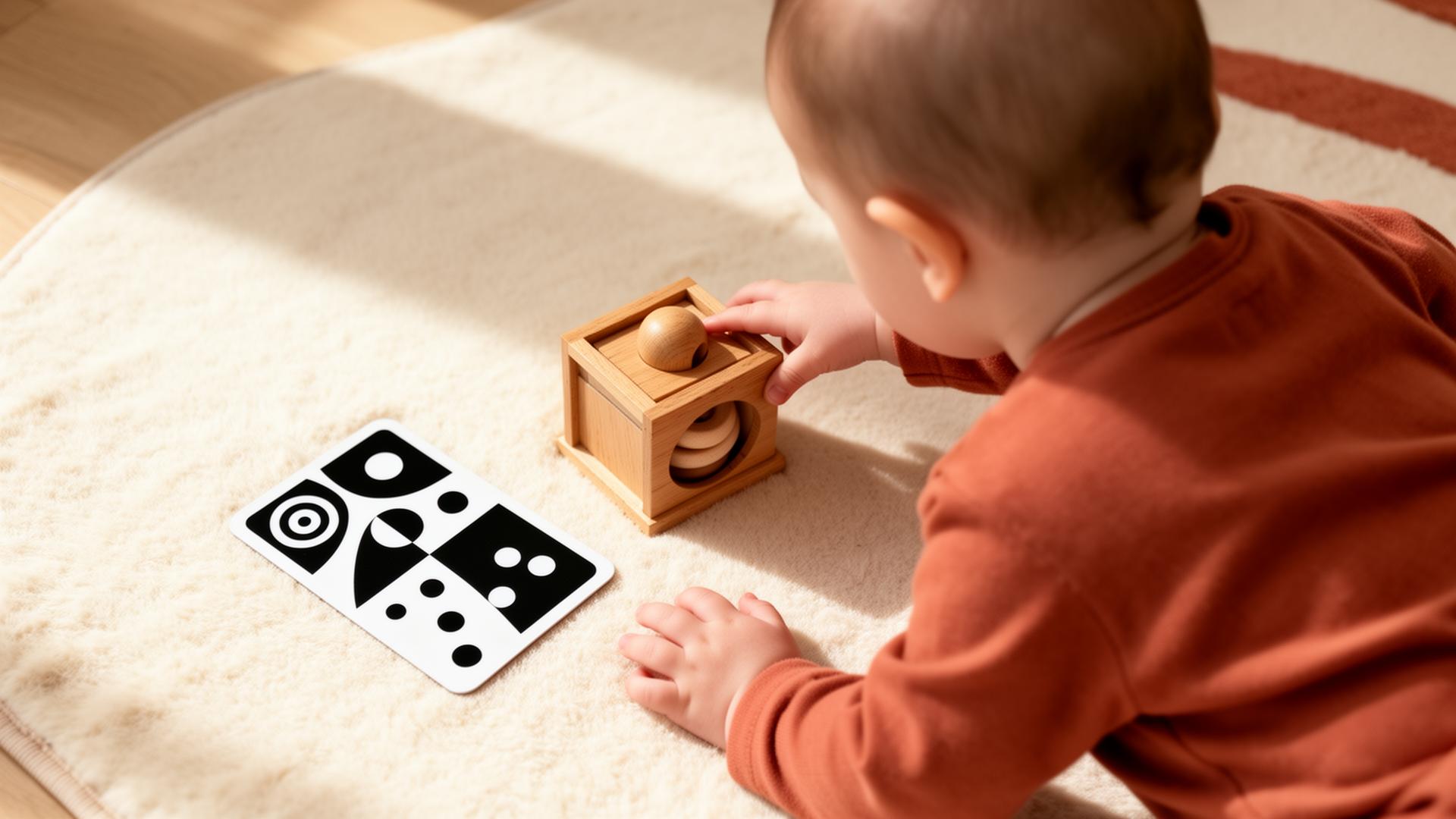
A baby reaching for a wooden Montessori toy beside a high-contrast sensory card

Connecting families to ongoing support

The box itself is a starting point. The booklet inside it is an invitation — into Family Hubs, into health visiting relationships, into local groups and services that families might not otherwise have known were there for them.

A final thought

A box can carry more than its contents.

It can carry a signal: that this child is welcome, that this family is supported, that someone has thought carefully about the beginning. That signal lasts longer than the nappies.

References

  1. Center on the Developing Child, Harvard University — InBrief: The Science of Early Childhood Development.
  2. The 1001 Critical Days Manifesto — UK cross-party initiative on the importance of the period from conception to age two; supported by evidence in The Lancet Early Childhood Development series (2017).
  3. The Lullaby Trust / NHS — guidance on safer sleep for babies; baby box schemes including the Scottish Government Baby Box (delivered since 2017) embed this guidance at point of delivery.
  4. UK Department for Work and Pensions — Households Below Average Income series, on UK child poverty rates.

Figures are presented as sector context drawn from published sources, not as outcomes of a Jumble Dream scheme.