The First 1,001 Days: Why the Early Window Matters So Much
From conception to age two, a child's brain is laying down the architecture for a lifetime. Here's what that means in everyday life — and why small, consistent moments of care make such a lasting difference.
By the Jumble Dream team · March 2025
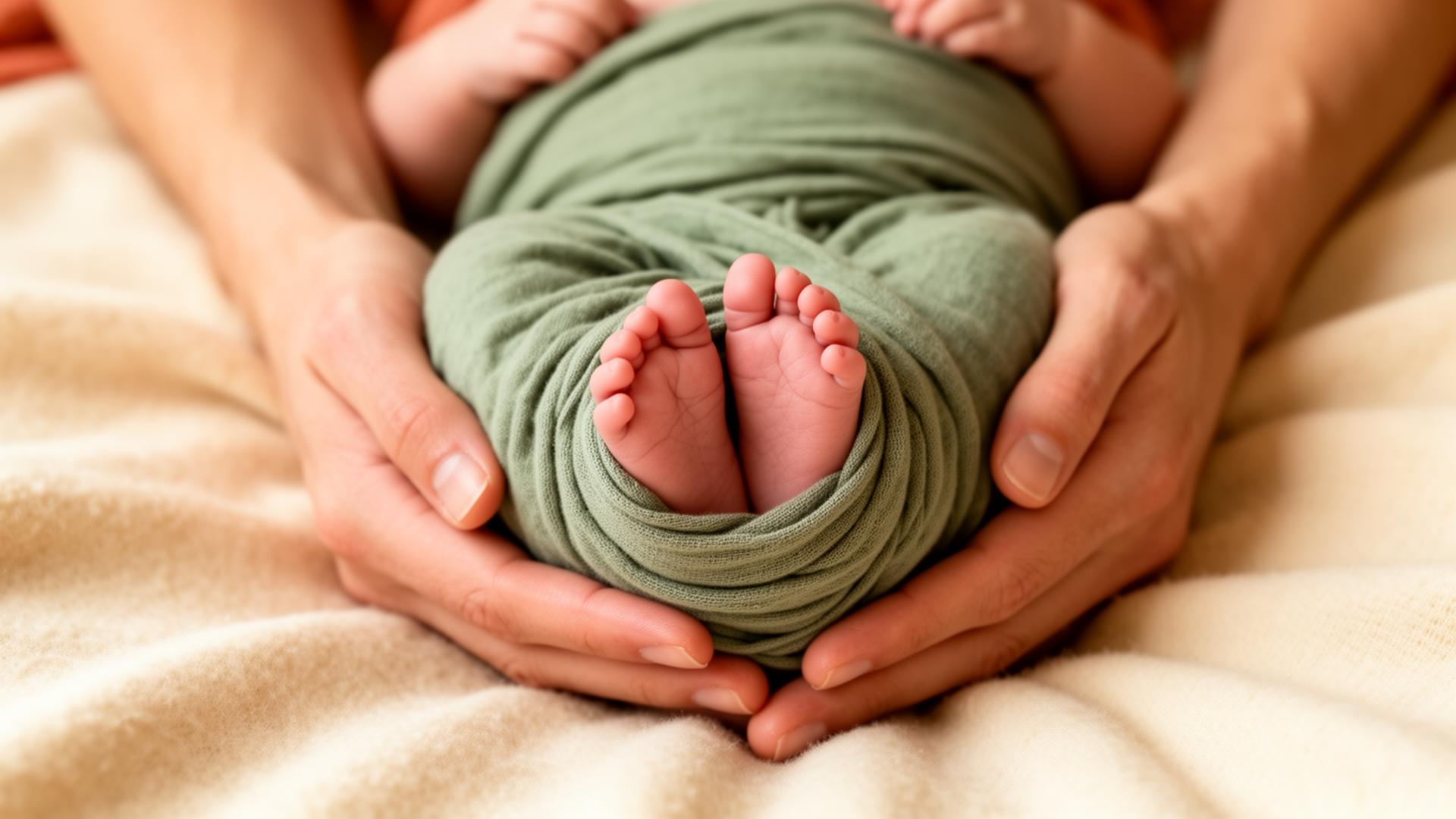
There's a phrase you'll hear a lot in early years work: the first 1,001 days. It refers to the period from conception to a child's second birthday — roughly 33 weeks of pregnancy plus two years of life. It's a short window, but in developmental terms, it might be the most important one a person ever passes through.
A brain built by experience
In those early days, a baby's brain forms more than a million new neural connections every second. The architecture being built is shaped by everything around them: nutrition, sleep, the sound of a familiar voice, the warmth of being held, the back-and-forth of being talked to. It isn't only about formal teaching or expensive equipment — it's about the consistent, attuned care that says, you are safe, you are seen.
Research from the Royal Foundation's Centre for Early Childhood, the Wave Trust and decades of public health work in Scotland and Wales all point in the same direction. The early years lay the foundation for physical health, mental wellbeing, language, emotional regulation, relationships, learning and life chances. Get those foundations right, and a child has a much better chance of thriving. Miss them, and the gap can be very hard to close later.
Why this matters for every family
None of this is about pressuring parents. Quite the opposite. The evidence is clear that babies don't need elaborate routines or perfect parents — they need responsive, loving, consistent care, and the practical conditions that make that possible. Sleep. Food. Warmth. A safe place to lie down. A few thoughtful items that support play and bonding.
When families are stretched — financially, emotionally, or by circumstances outside their control — those practical conditions become harder to hold together. That's where targeted support, including baby box schemes, comes in. They aren't a silver bullet, but they make the early days more manageable, and they signal that a community values its youngest members.
What this means for a baby box
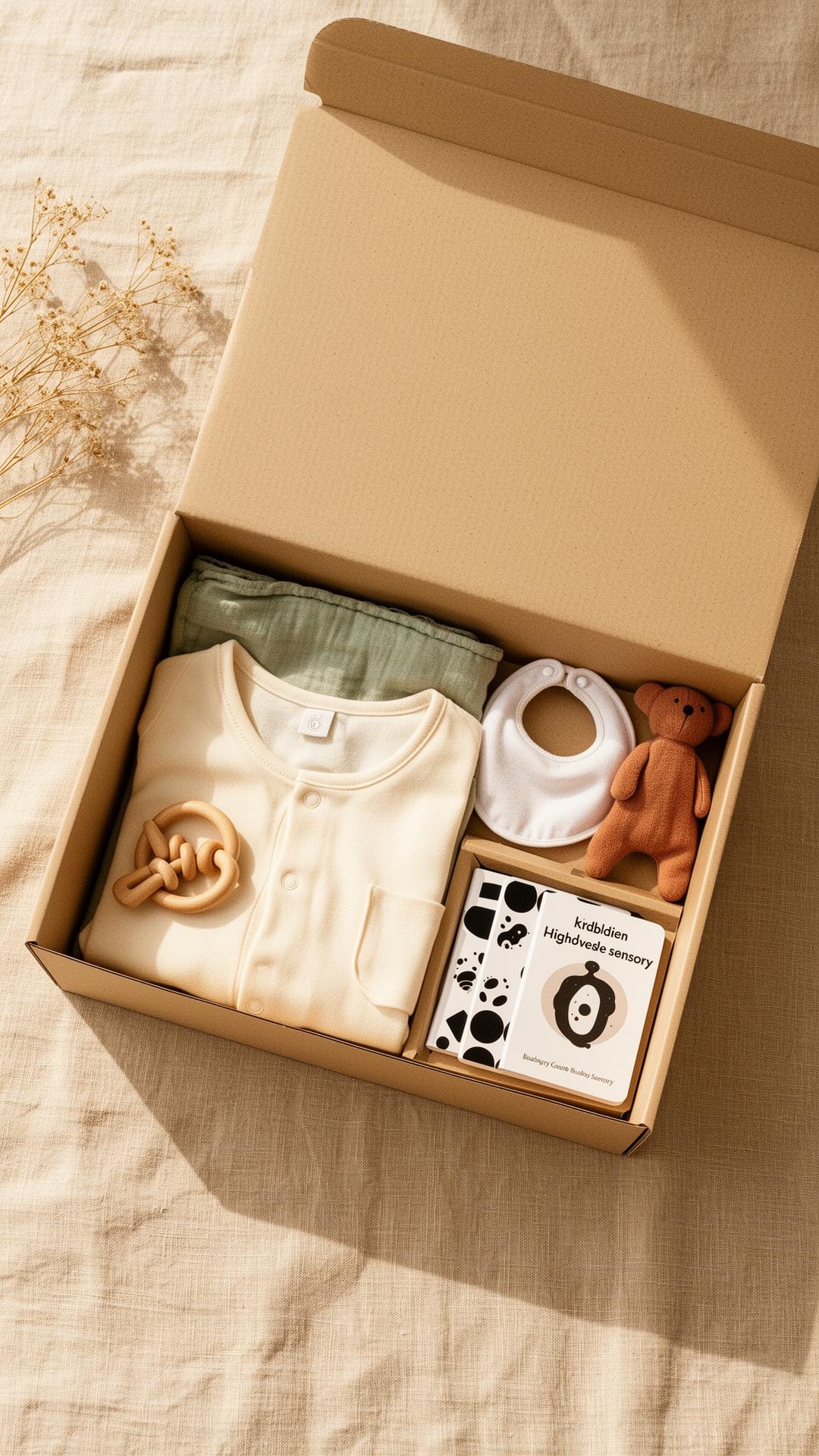
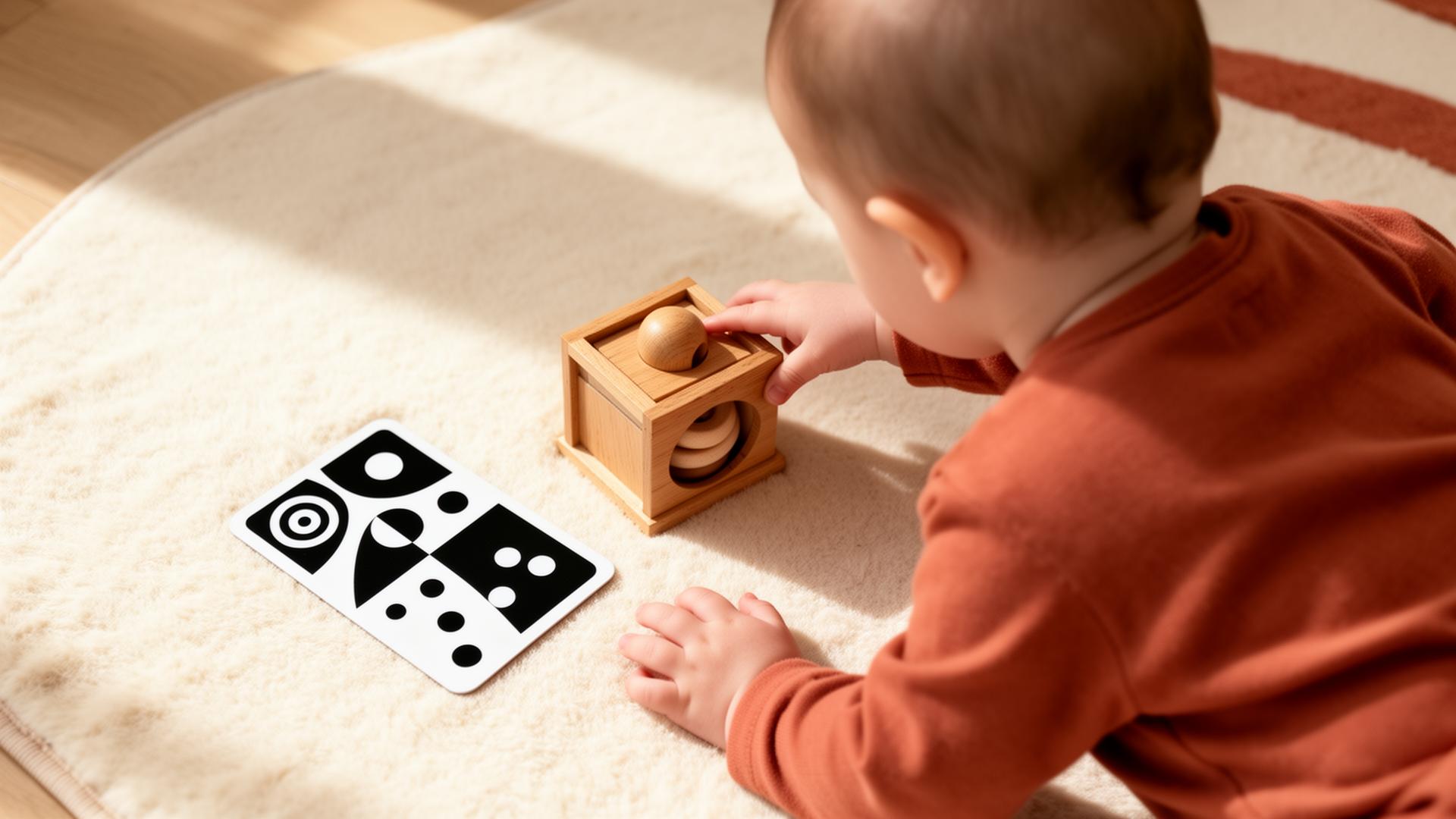
When we design a box, we think about it in 1,001-day terms. Yes, it needs the essentials — clothing, nappies, somewhere safe to sleep. But it also needs the small things that make early development easier: a high-contrast card to look at during nappy changes, a soft rattle to track, a tummy time mat that takes the fear out of those first floor-time minutes, a book to share at bedtime.
None of these items are luxuries. They're tools — quiet, beautifully made, evidence-led — that help parents feel equipped, and help babies experience the world richly from the very first weeks.
A final thought
The first 1,001 days will only ever happen once for any child. Treating that window with the seriousness — and the warmth — it deserves is one of the most powerful things a society can do.
Commissioning or scoping a scheme?
See how we work with councils, NHS trusts and Family Hubs as a developmental-first baby box supplier.