How Baby Box Schemes Work Across the UK
From Scotland's universal Baby Box to Wales' Baby Bundle and a growing number of English councils, the UK has quietly built up real expertise in how to run a scheme well. Here's a clear overview.
By the Jumble Dream team · May 2025

If you live in the UK, there's a decent chance a baby box scheme is operating not far from you. The model has spread quietly but steadily over the last decade, and it now takes several forms depending on where a family lives.
Scotland: a universal entitlement
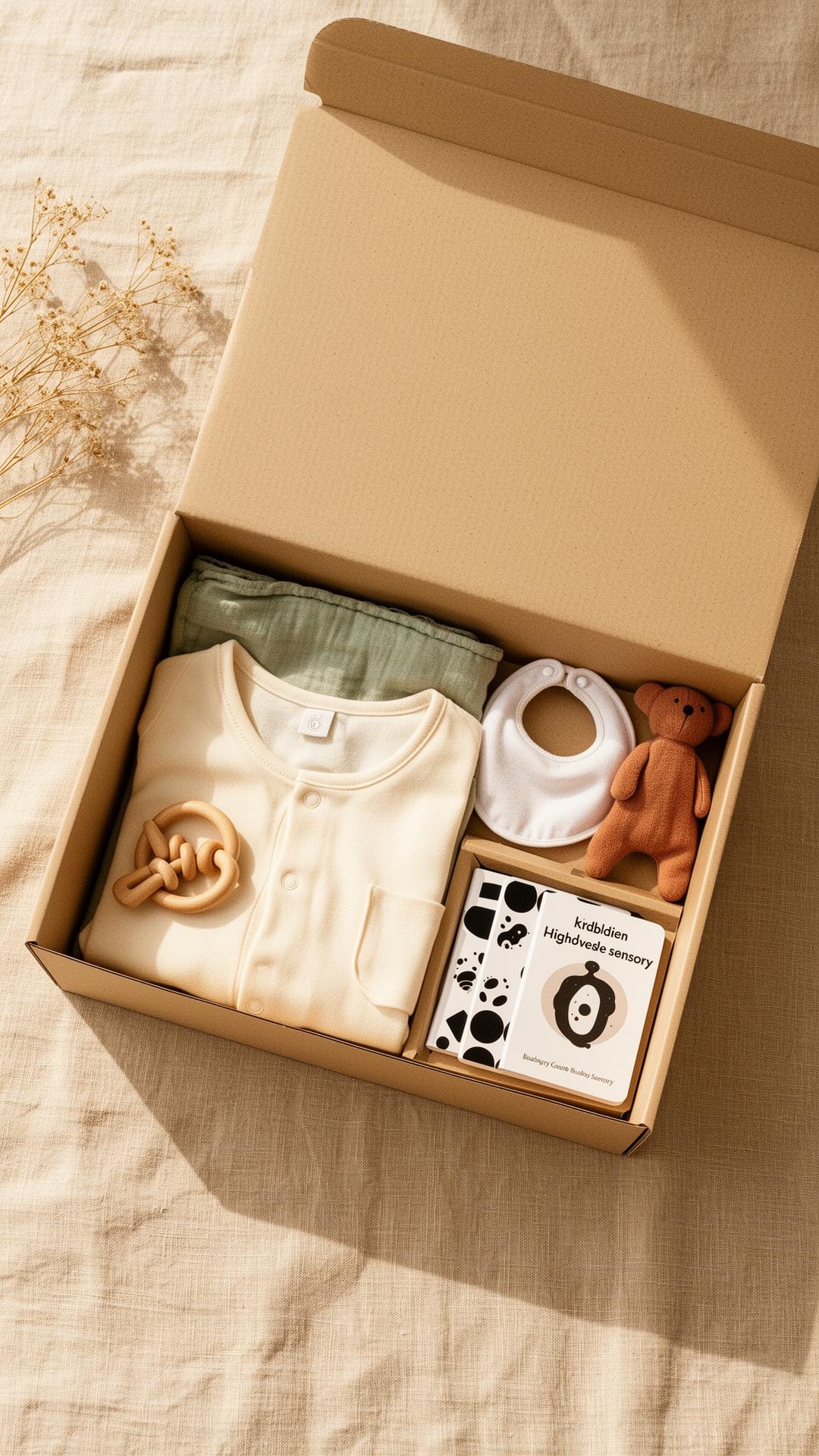
Scotland's Baby Box scheme launched in 2017 and is the most established programme in the UK. Every baby born in Scotland is entitled to a box, regardless of family income. The box is offered through midwives during pregnancy, typically at around the 20–24 week appointment, and delivered to the family's home before the baby arrives. Take-up has been consistently high and the scheme is widely seen as a flagship example of universal early years support.
Wales: the Baby Bundle
The Welsh Government has piloted and developed the Baby Bundle programme, with similar aims to Scotland's: easing financial pressure, supporting safe sleep, and giving every family a thoughtful welcome for their newborn. The Welsh approach has evolved as the pilots have learned what works, and continues to be refined in partnership with health boards.
England: a patchwork of local authority schemes
England doesn't have a national scheme, but a growing number of local authorities run their own. Rotherham, Wandsworth, Nottingham, Hartlepool and others have all launched programmes in recent years, often funded through the Family Hubs and Start for Life agenda. These can be universal within an area, or targeted at families who would most benefit. Distribution usually runs through midwives and Family Hubs, with boxes registered at the 25-week appointment and delivered direct to the family's home.
What the schemes have in common
Across all of these models, a few principles tend to hold true. Schemes work best when they're rooted in the existing midwifery and health visiting pathways, when the box itself is genuinely high quality, and when the supplier handles the operational complexity — sourcing, compliance, assembly, registration and delivery — so the council or health board can focus on the family-facing relationship.
How families experience it
From a parent's perspective, the experience is simple: their midwife mentions the scheme, they sign up, and a few weeks later a box arrives at their door. Feedback from areas where schemes are well-established is consistently warm: families describe feeling seen, supported, and equipped for those first weeks at home.
Looking ahead
The direction of travel is clearly towards more schemes, not fewer. As more councils invest in their Family Hubs and Start for Life offers, baby boxes are increasingly part of the conversation about how to give every child a strong start. They're also one of the more visible, tangible expressions of a council's commitment to its youngest residents — which, in a world of abstract policy, matters.
Commissioning or scoping a scheme?
See how we work with councils, NHS trusts and Family Hubs as a developmental-first baby box supplier.