Designing for Councils: How We Tailor Every Box to Local Needs
No two areas are the same. Here's how we work with local authorities to design baby boxes that reflect local priorities, demographics and budgets — without compromising on quality.
By the Jumble Dream team · August 2025
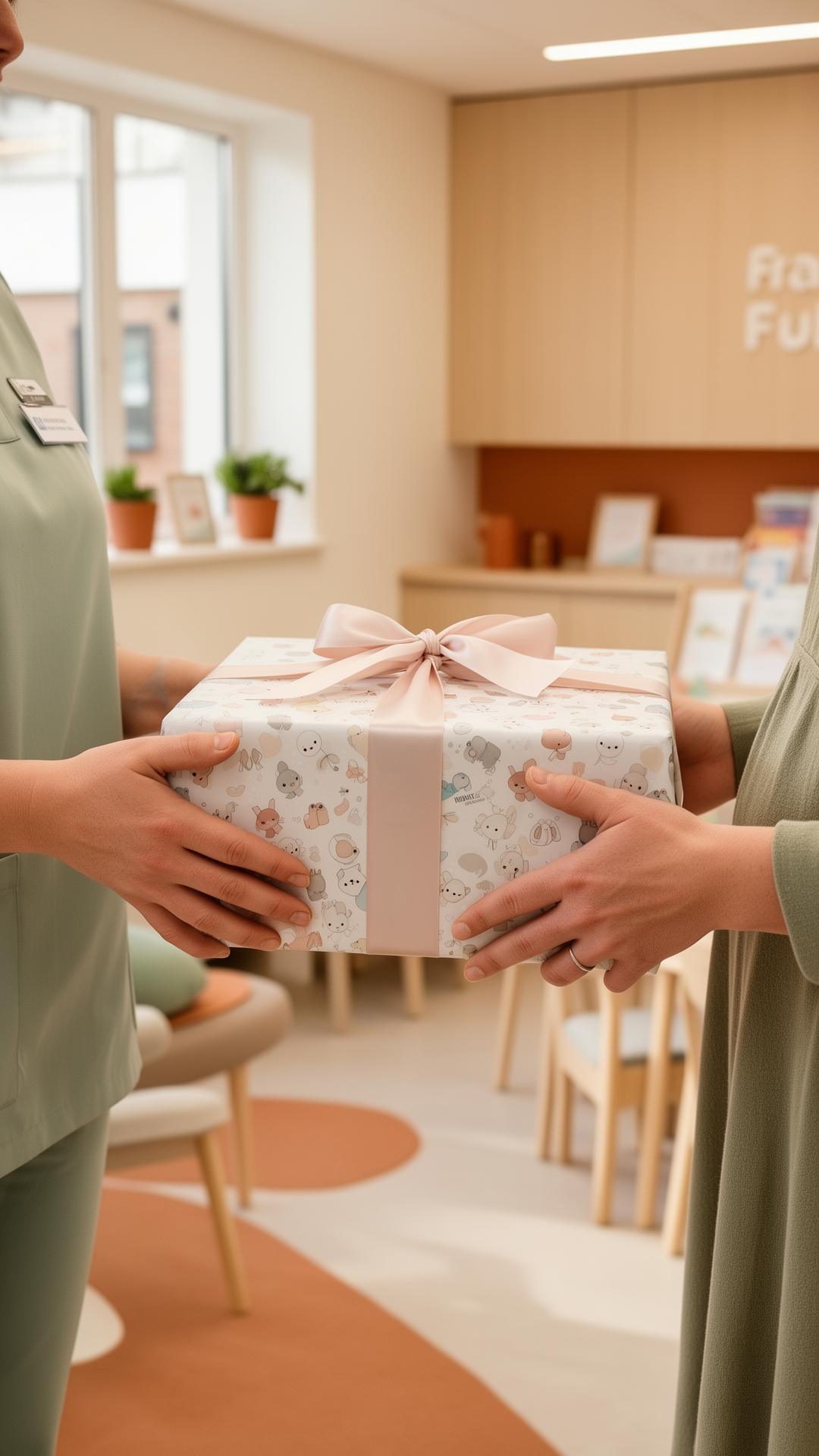
When a council commissions a baby box scheme, they're not just buying a product. They're setting out a statement of intent about how the area welcomes its newest residents. That means the design of the box matters — not only the contents, but the way the scheme fits into existing services, the language it uses, and the families it reaches.
Our job is to make that easier.
Start with the brief, not the box
Every partnership begins with a conversation, not a catalogue. What are the council's priorities for the first 1,001 days? Is the scheme universal or targeted? How does it connect to Family Hubs, midwifery and health visiting? What are the local demographics, and are there specific needs — multilingual materials, particular cultural considerations, accessibility requirements — that should shape the contents and the booklet?
From there, we shape a box that fits the brief, rather than the other way around.
Flexible contents, fixed standards
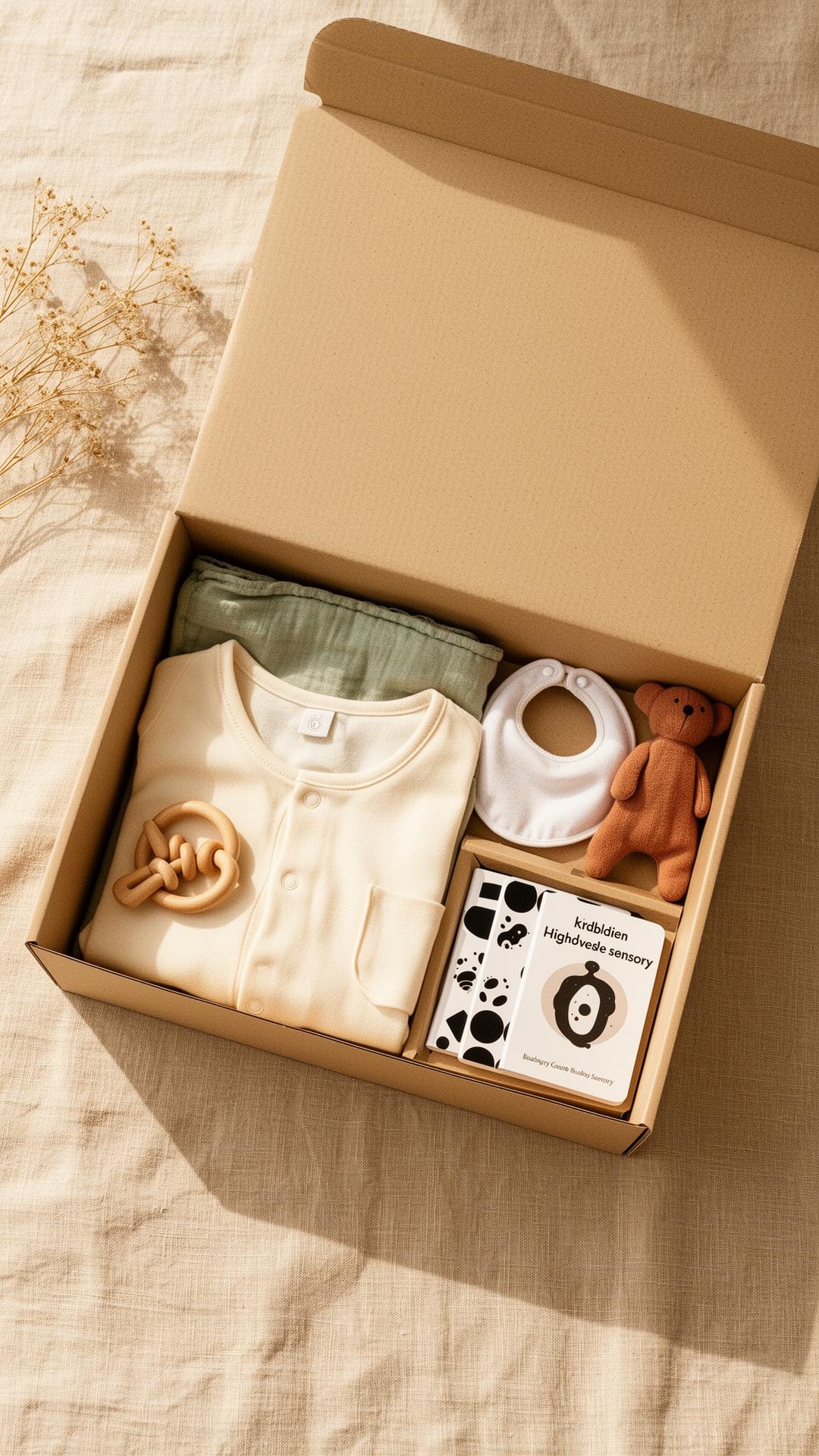
Our core categories — essential baby wear, comfort and care, developmental and sensory, books and bonding, health and wellness, for parents, practical essentials — give councils a clear menu of what's possible. Within each category, items can be added, removed or swapped depending on budget, priorities and local feedback. What doesn't flex is the standard: every item is independently lab-certified to UK and EU safety standards, full stop.
The operational side
A scheme lives or dies on whether it actually works in the real world. We handle sourcing, quality assurance, compliance, assembly, storage, registration systems, direct-to-home delivery and customer support. From the council's point of view, that means a single accountable partner rather than a tangle of suppliers — and a scheme that scales smoothly as it grows.
Registration that fits existing pathways
Most schemes register families at around the 25-week appointment, through midwives or Family Hubs. Our registration system is built to slot into existing workflows rather than create new ones. We can also support multilingual sign-up, accessibility features, and reporting that helps the council monitor reach and equity over time.
A booklet that does real work
The printed booklet inside the box is more than a list of contents. It's an opportunity to connect families to local support — health visitors, Family Hubs, breastfeeding services, mental health support, local groups. We design every booklet in close partnership with the commissioning team so the signposting is accurate, current and genuinely useful.
Measuring what matters
Finally, we work with councils on what success looks like. Reach. Take-up. Family satisfaction. Connections made to ongoing services. These aren't just internal KPIs — they're the evidence base that shows the scheme is working and worth continuing.
Baby box schemes are at their best when they feel local. Our job is to bring the manufacturing expertise, developmental thinking and operational rigour, so each council can focus on what only they can do: knowing their families.
Exploring a scheme for your area? Talk to us about your requirements.
Commissioning or scoping a scheme?
See how we work with councils, NHS trusts and Family Hubs as a developmental-first baby box supplier.